


Interior Cabinet Secretary Kipchumba Murkomen has assured Kenyans that controversial preacher Paul Mackenzie will be held separately from other prisoners while serving his 200-year jail sentence, amid concerns that he could influence inmates through extremist religious teachings.
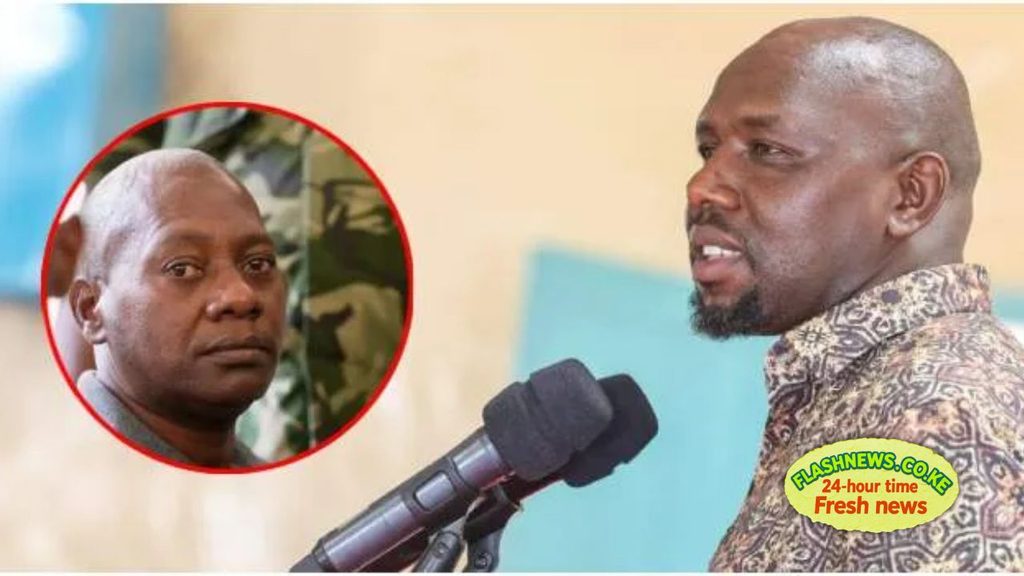
Speaking during a church service in Ikolomani Constituency, Kakamega County, on Sunday, November 8, 2026, Murkomen said the government would provide a secluded area to accommodate Mackenzie and prevent further radicalisation within the prison system.
The Cabinet Secretary explained that the arrangement was intended to stop the preacher from influencing other inmates or spreading teachings that could encourage the formation of similar extremist religious movements.
Murkomen said the government was determined to ensure that individuals associated with radicalisation did not use correctional facilities to recruit or influence other prisoners.
“We will provide a secluded area to hold him to make sure that there will be no radicalisation again by the type of Mackenzie’s in this country,” Murkomen stated.
His remarks came amid reports that Mackenzie had allegedly attempted to influence police officers and fellow inmates through his religious teachings before his imprisonment on November 5.
Why Paul Mackenzie Will Be Held Separately
The government’s proposed arrangement is aimed at limiting Mackenzie’s contact with other prisoners and preventing the spread of extremist beliefs within correctional facilities.
Exclusive or separate custody generally involves keeping a prisoner in a designated, secure area away from the general prison population, subject to the relevant prison regulations and security assessments.
Such arrangements may allow correctional authorities to exercise closer supervision over a prisoner, manage interactions and assess potential security risks.
In Mackenzie’s case, Murkomen indicated that the government wanted to prevent any further attempts to influence individuals through teachings associated with the Shakahola tragedy.
However, separate custody does not automatically remove a prisoner’s legal rights or exempt them from established correctional procedures.
The Kenya Prisons Service remains responsible for managing prisoners in accordance with the law and applicable security requirements.
Murkomen Praises DCI, ODPP and Judiciary
The Interior Cabinet Secretary also commended the institutions involved in investigating and prosecuting Mackenzie.
He recognised the role played by the Directorate of Criminal Investigations (DCI), the Office of the Director of Public Prosecutions (ODPP) and the Judiciary in bringing the case through the justice system.
Murkomen said the government would continue supporting the institutions and working with the Judiciary to strengthen efforts aimed at protecting Kenyans from religious extremism and radicalisation.
His remarks followed the court’s decision to sentence Mackenzie to 200 years in prison over his involvement in the Shakahola-related crimes.
The sentence marked a major development in one of Kenya’s most disturbing religious extremism cases.
Government Threatens Action Against Religious Organisations Promoting Extremism
Murkomen further warned that the government would take firm action against religious organisations found promoting extremism and radicalisation.
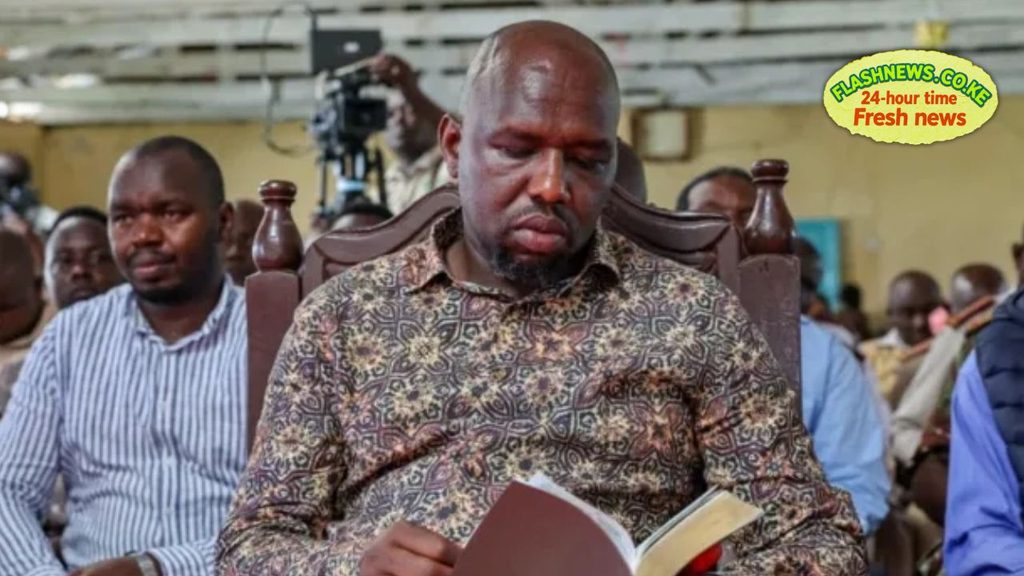
The CS’s remarks highlighted renewed government attention on the regulation of religious activities, particularly where religious teachings are allegedly used to manipulate followers or encourage dangerous practices.
The Shakahola tragedy exposed serious concerns about the exploitation of religious beliefs, the protection of vulnerable followers and the effectiveness of early-warning mechanisms within local communities.
Authorities have faced pressure to strengthen oversight and ensure that suspicious activities are reported and investigated before they escalate into serious crimes.
Kilifi Residents Demand Accountability From Chiefs and Sub-Chiefs
Meanwhile, residents of Kilifi County have called for accountability among local administrators accused of failing to report warning signs linked to Mackenzie’s activities.
The residents argue that chiefs and assistant chiefs should have alerted security agencies after allegedly observing unusual movements, school dropouts and the growing indoctrination of followers within their areas of responsibility.
They maintain that early intervention by local administrators could have helped prevent the tragedy that unfolded at the Shakahola forest.
The residents have questioned how Mackenzie’s followers were able to relocate to the approximately 800-acre Chakama Ranch without sufficient intervention from local authorities.
Their concerns have renewed debate over the responsibilities of chiefs and sub-chiefs in identifying suspicious activities, reporting security threats and protecting vulnerable communities.
However, allegations of negligence against individual administrators must be established through appropriate investigations and legal processes.
Shakahola Tragedy Left More Than 400 People Dead
The Shakahola tragedy remains one of Kenya’s most devastating cases involving religious extremism.
Investigations into activities linked to Mackenzie and his followers uncovered mass graves in the Shakahola forest, with more than 400 people reported dead.
The case attracted national and international attention, raising concerns about how religious leaders can exploit vulnerable followers and persuade them to engage in life-threatening practices.
Mackenzie had previously come into conflict with authorities dating back to 2017, with earlier investigations and concerns surrounding his religious activities.
The subsequent discovery of the mass deaths at Shakahola prompted questions about law enforcement, intelligence gathering, community reporting and the supervision of religious organisations.
What Happens Next to Paul Mackenzie?
With the 200-year prison sentence in place, attention has now shifted towards how correctional authorities will manage Mackenzie’s custody and prevent further security concerns.
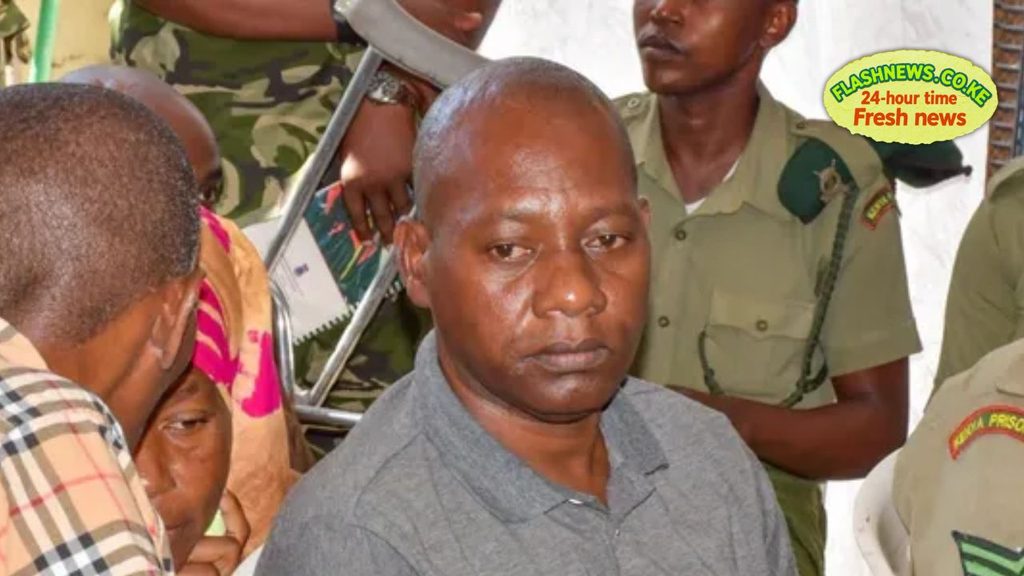
Murkomen’s latest remarks indicate that the government intends to keep him in a separate area to minimise his influence over other prisoners.
The proposed arrangement also forms part of broader government efforts to address religious radicalisation and prevent similar tragedies from occurring.
As the Shakahola case continues to shape discussions about religious freedom and public safety, authorities face pressure to strengthen early-warning systems and ensure that individuals exploiting religion to promote dangerous practices are held accountable.
The government has maintained that preventing further radicalisation remains a priority as Kenya continues to confront the lessons arising from the Shakahola tragedy.
Also Read: Nairobi Water Announces 24-Hour Shutdown Affecting Westlands, Kilimani and Other Estates