






HELB, School Feeding Among Victims of FY 2025/26 Budget Gaps
Key education support programmes in Kenya, including the Higher Education Loans Board (HELB) and the School Feeding Programme, are among the initiatives hardest hit by the country’s FY 2025/26 budget, following the disclosure of a KSh 218 billion shortfall in education sector funding.
Treasury Principal Secretary (PS) Dr. Chris Kiptoo presented the figures on Thursday, May 29, during a session with the National Assembly’s Budget and Appropriations Committee, raising widespread concerns about the sustainability of learning in the country.
The National Treasury reported that the government received funding requests from various Ministries, Departments, and Agencies (MDAs) amounting to KSh 944 billion, which could not be met due to what it termed a “constrained fiscal framework.” As a result, essential programmes—particularly in the education sector—have been left out of the government’s spending plan for the upcoming fiscal year.
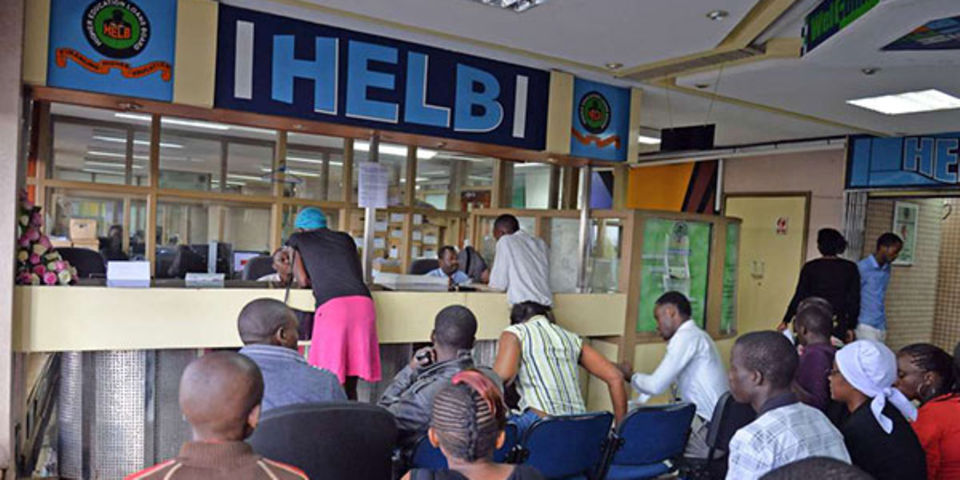
Among the affected are key pillars of Kenya’s education system. HELB, which supports thousands of university students through loan disbursements, is now facing a funding deficit of KSh 34 billion. At the same time, the school feeding programme, which provides daily meals to learners in vulnerable regions and plays a significant role in school attendance and performance, has not received any funding under the current budget estimates.
“These expenditures were not accommodated in the 2025/26 budget due to the constrained fiscal framework and will be reviewed for possible funding in the course of implementation should the fiscal situation improve,” PS Kiptoo told the committee chaired by Alego Usonga MP Sam Atandi.
The shortfall extends across various levels of the education system. Public universities, already grappling with structural funding gaps, now face a cash-flow crisis exacerbated by an outstanding bill of KSh 45.7 billion for students placed in private institutions under government sponsorship.
At the primary and secondary levels, the State Department for Basic Education has reported a funding gap of KSh 39.5 billion. The Free Day Secondary Education (FDSE) programme—supporting over three million students—is short by KSh 21.9 billion, while the Free Junior Secondary Education initiative faces a KSh 4 billion shortfall.
Stakeholders in the education sector have raised alarm over the potential consequences. Without adequate funding, many learners may be forced to drop out or face interruptions to their academic progress. The HELB gap alone could affect tens of thousands of students who depend on the loans for tuition, accommodation, and upkeep.
Kenya’s overall FY 2025/26 budget stands at KSh 4.2 trillion, with revenue projections at KSh 3.3 trillion—leaving a financing deficit of KSh 877 billion. To close this gap, the Treasury plans to borrow KSh 284 billion from external sources and KSh 592 billion domestically. Additionally, the government intends to raise KSh 149 billion through the privatization of over 35 state-owned enterprises.
Among the parastatals listed for sale are the Kenyatta International Convention Centre (KICC), New Kenya Cooperative Creameries (New KCC), Kenya Pipeline Company, and the Kenya Ports Authority. These measures are aligned with structural adjustment recommendations from the International Monetary Fund (IMF), aimed at reducing public expenditure and improving fiscal discipline.
Critics argue that the government’s decision to deprioritize funding for education undermines long-term national development goals. “Education is not just a social service; it is an investment in the country’s human capital. Starving it of funds will have lasting consequences,” said a representative from the Kenya Universities Staff Union (KUSU).
Civil society organizations have also urged Parliament to reconsider the budget allocations, emphasizing the need to protect vulnerable populations, particularly students in low-income households. Calls have been made for the government to explore alternative revenue streams and cost-saving measures that do not compromise core public services.
With the start of the new fiscal year approaching, uncertainty looms over the future of Kenya’s education sector. While Treasury officials have indicated the possibility of revisiting allocations mid-year if fiscal conditions improve, there is no immediate assurance for the millions of students and institutions currently facing the impact of the budget cuts. As debate continues in Parliament and among the public, the fate of education funding remains a pressing national concern.
Also Read: TSC Gains Parliament Approval to Promote 23,388 Teachers; Letters Out Next Week
HELB, School Feeding Among Victims of FY 2025/26 Budget Gaps