






IEBC Sounds Alarm Over KSh33.5 Billion Budget Shortfall Ahead of 2027 General Election
The Independent Electoral and Boundaries Commission (IEBC) has raised fresh concerns over inadequate funding for preparations ahead of the 2027 General Election, warning that critical electoral activities could be affected unless additional resources are provided.
With just over a year remaining before Kenyans return to the ballot, the electoral body has formally appealed to the National Treasury and Parliament to reconsider its current budget allocation, arguing that the amount approved falls significantly short of what is required to conduct a credible and efficient election.
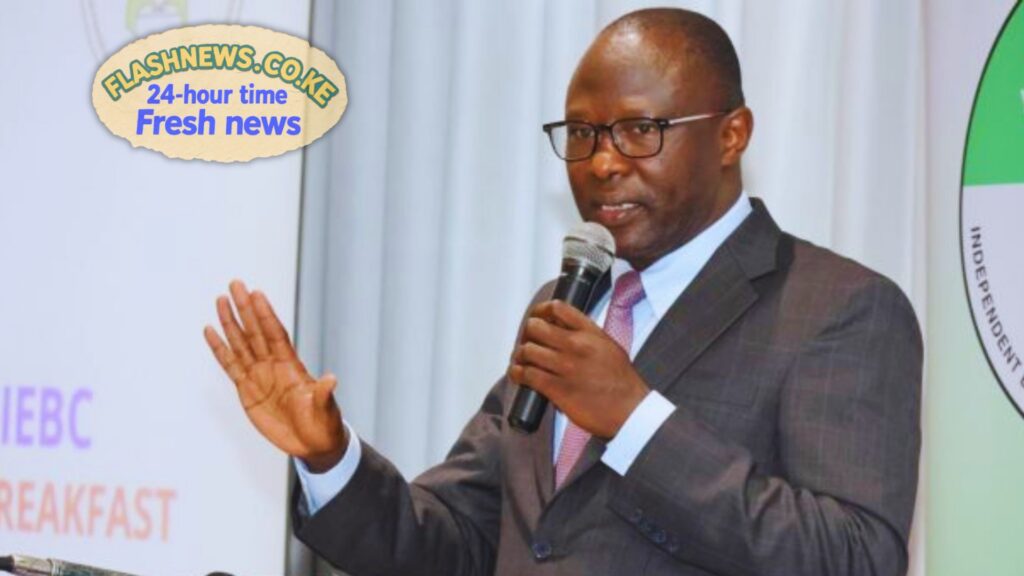
The commission, chaired by Erastus Ethekon, initially requested KSh74.8 billion to facilitate the entire electoral process, including voter registration, technology upgrades, civic education programmes, election staffing, and logistical operations.
However, Parliament allocated KSh41.3 billion, representing approximately 55 per cent of the requested amount and leaving a funding deficit of KSh33.5 billion.
In documents submitted as part of its election budget framework, which is expected to be presented before Parliament next Thursday, the commission insists that additional financing is necessary to bridge the gap and ensure adequate preparedness.
“The resources currently allocated are not sufficient to facilitate all the critical activities required ahead of the 2027 General Election,” the commission stated.
Bigger Election, Higher Costs
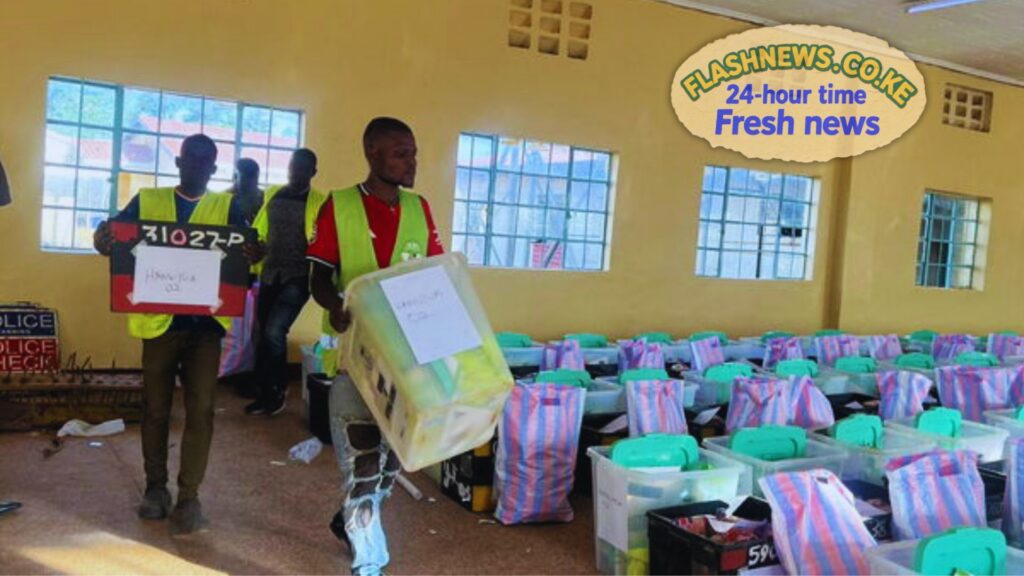
According to the IEBC, the 2027 polls are expected to be significantly larger and more complex than the 2022 General Election due to an anticipated increase in the number of polling stations nationwide.
The commission projects that polling centres will rise from approximately 46,000 in 2022 to nearly 55,000 in 2027, creating additional demand for election personnel, equipment, transport, and administrative support.
Election technology remains one of the most expensive components of the planned budget.
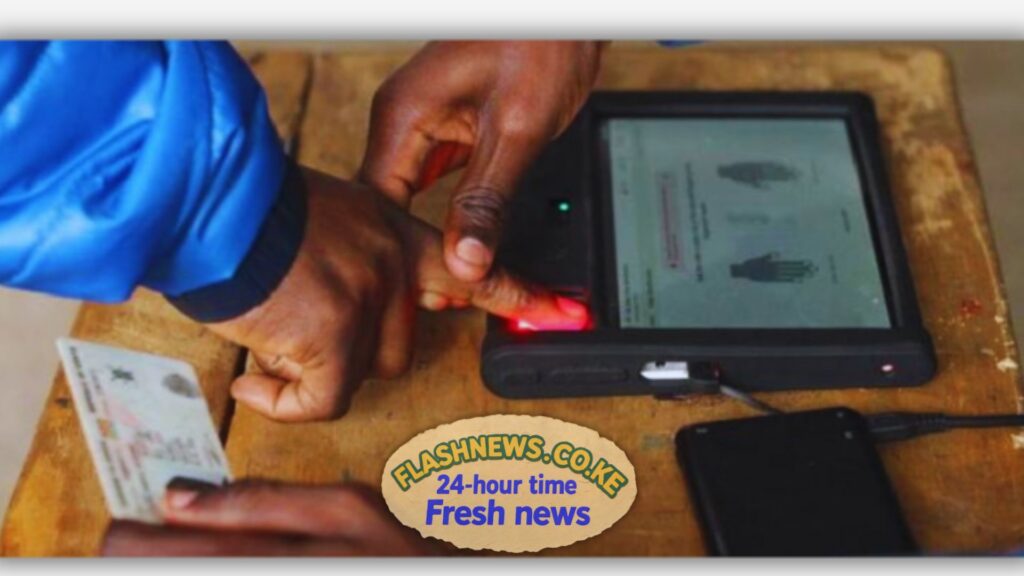
The commission intends to spend KSh9.3 billion on the replacement and expansion of the Kenya Integrated Election Management System (KIEMS), including the replacement of 45,353 existing devices and the procurement of an additional 5,000 backup kits to be deployed during the election period.
The move is aimed at strengthening voter identification and results transmission systems, which have been at the centre of scrutiny in previous elections.
Billions Set Aside for Ballots and Voter Registration
The IEBC has also budgeted KSh2.7 billion for the printing of ballot papers and statutory election forms required across the country.
Meanwhile, voter registration and biometric data capture exercises are expected to consume KSh2 billion as the commission seeks to register new voters and update the national electoral register.
To manage polling day operations, the electoral agency plans to spend KSh5.7 billion on the recruitment, training, and remuneration of temporary election officials who will be deployed across the country’s polling stations.
An additional KSh400 million has been earmarked for an independent audit of the voters’ register, an exercise the commission says is essential for improving transparency and public confidence in the electoral process.
Logistics and Public Engagement
Election logistics continue to account for a substantial portion of the proposed budget.
The commission is seeking KSh438 million to acquire vehicles for election operations, particularly in remote and hard-to-reach regions.
Another KSh1.5 billion has been allocated for the transportation of election materials and personnel before, during, and after polling day.
In a bid to combat misinformation and boost voter participation, the IEBC has further proposed KSh1.7 billion for public communication, voter education, and civic engagement programmes.
Rising Cost of Elections
The latest request represents a significant increase from earlier estimates.
In February 2025, the commission had projected that preparations for the 2027 General Election would require approximately KSh61 billion. The revised figure of KSh74.8 billion now reflects growing operational demands, inflationary pressures, expanded infrastructure requirements, and increased technological investments.
The funding debate is expected to intensify in the coming weeks as lawmakers scrutinise the commission’s budget proposals amid competing demands on the national treasury.
The outcome could play a crucial role in determining how effectively the IEBC prepares for what is expected to be one of Kenya’s most consequential elections.
Also Read: Kenya Power Outlines Process for Reversing Wrong Electricity Token Payments