






Global Oil Prices Plunge Ahead of Kenya’s Next Fuel Price Review
Kenyan motorists could be in line for a potential reprieve at the pump after international crude oil prices recorded a sharp decline ahead of next week’s Energy and Petroleum Regulatory Authority (EPRA) fuel price review.
The latest figures from the Central Bank of Kenya (CBK) show that the price of Murban crude oil fell to US$72.54 (Ksh9,384.97) per barrel on August 6, down from US$78.24 (Ksh10,120.54) on July 30.
The decline represents a significant movement in the global oil market and comes at a crucial time for Kenya, with motorists and businesses awaiting EPRA’s next monthly announcement on fuel prices.
A sustained fall in international crude prices can place downward pressure on the cost of imported petroleum products. However, the eventual prices at Kenyan filling stations will also depend on factors including the exchange rate, import costs, taxes, levies and the applicable price-stabilisation mechanisms.

The CBK highlighted the sharp movement in commodity markets in its latest Weekly Bulletin.
“Commodity prices recorded mixed movements, with Murban crude oil prices declining to USD 72.54 per barrel on August 6, from USD 78.24 per barrel on July 30, amid heightened Middle East tensions,” the central bank reported.
The movement in crude prices comes against the backdrop of continued uncertainty in global energy markets, particularly amid tensions in the Middle East and concerns surrounding the Strait of Hormuz, a critical route for international oil shipments.
Despite the geopolitical risks, crude oil prices have moved lower, potentially offering some breathing room to oil-importing economies such as Kenya.
EPRA fuel price decision looms
The development comes just days before EPRA is expected to announce the next set of monthly fuel prices.
Kenyans have been paying elevated pump prices in recent months, with fuel costs continuing to have a direct impact on transport, food prices, manufacturing and the broader cost of living.
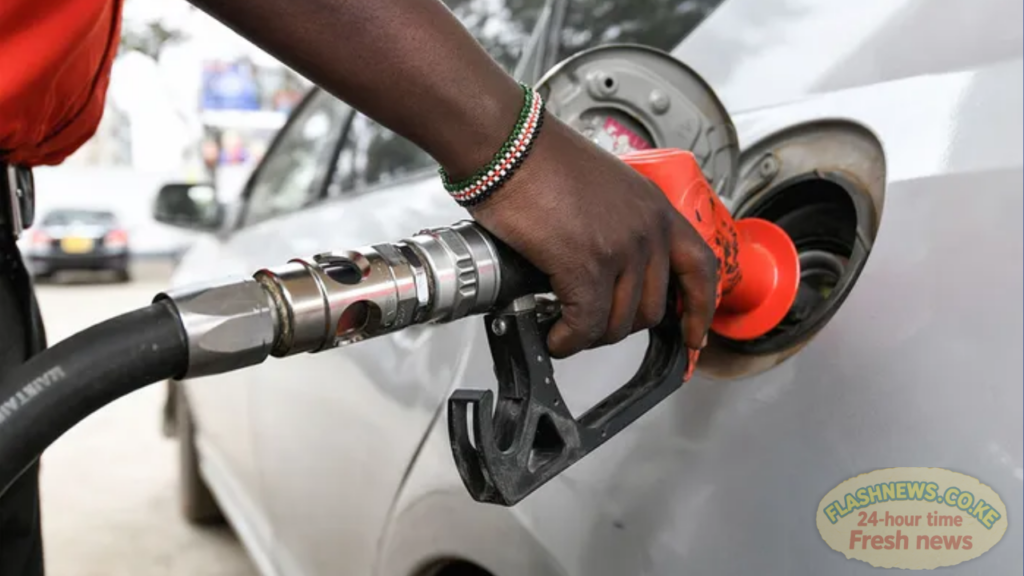
For the current pricing period, running from July 15 to August 14, EPRA retained pump prices in Nairobi at Ksh214.03 per litre for super petrol, Ksh222.86 for diesel and Ksh191.38 for kerosene.
The regulator previously said the government had intervened to cushion consumers against international oil-price shocks.
The government also extended the 8 per cent VAT on petroleum products until October 2026 and used approximately Ksh945 million from the Petroleum Development Levy Fund to help stabilise pump prices.
The previous review had already revealed substantial declines in the average landed cost of imported petroleum products.
The landed cost of super petrol fell by 21 per cent to Ksh115,070 per cubic metre, while diesel declined by 19.8 per cent to Ksh127,700. The landed cost of kerosene also dropped by 11.7 per cent to Ksh133,370 per cubic metre.
The latest fall in international crude prices could therefore add pressure for another reduction in the cost of petroleum products if other pricing variables remain favourable.
Shilling stability could offer additional support
The latest oil-price movement comes as the Kenyan shilling continues to show relative stability against the US dollar, which is important because Kenya imports most of the petroleum products it consumes.
According to the CBK, the shilling traded at Ksh129.41 to the dollar on August 6, compared with Ksh129.40 a week earlier.
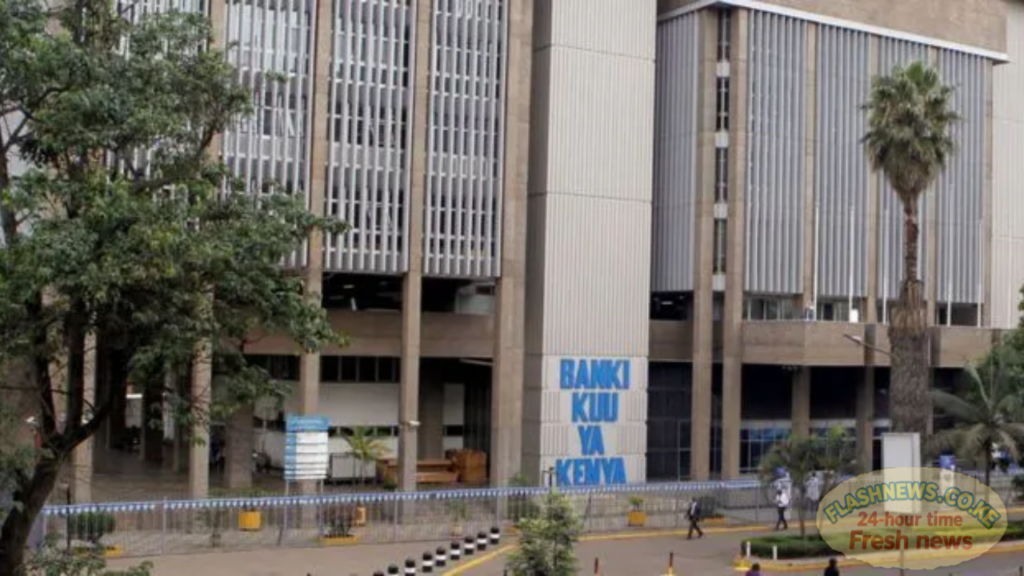
Kenya’s foreign exchange reserves stood at approximately Ksh1.97 trillion (US$15.25 billion), equivalent to 6.3 months of import cover.
A relatively stable exchange rate can help reduce some of the pressure associated with purchasing petroleum products on international markets.
The CBK also reported continued liquidity in the money market, strong demand for Treasury bills and declining Eurobond yields, pointing to stability across several key financial indicators.
For Kenyan motorists, however, the focus is now firmly on EPRA.
With international crude prices falling sharply in the days leading up to the review, attention will turn to whether the decline is ultimately reflected in the prices announced for petrol, diesel and kerosene.
The big question for motorists is whether cheaper crude oil will finally translate into cheaper fuel at the pump.
Also Read: Dangote Announces October Start for Ksh2 Trillion Lamu Oil Refinery