






SHA Seeks Fresh Global Fund Billions to Power Digital Healthcare Push and Strengthen Taifa Care
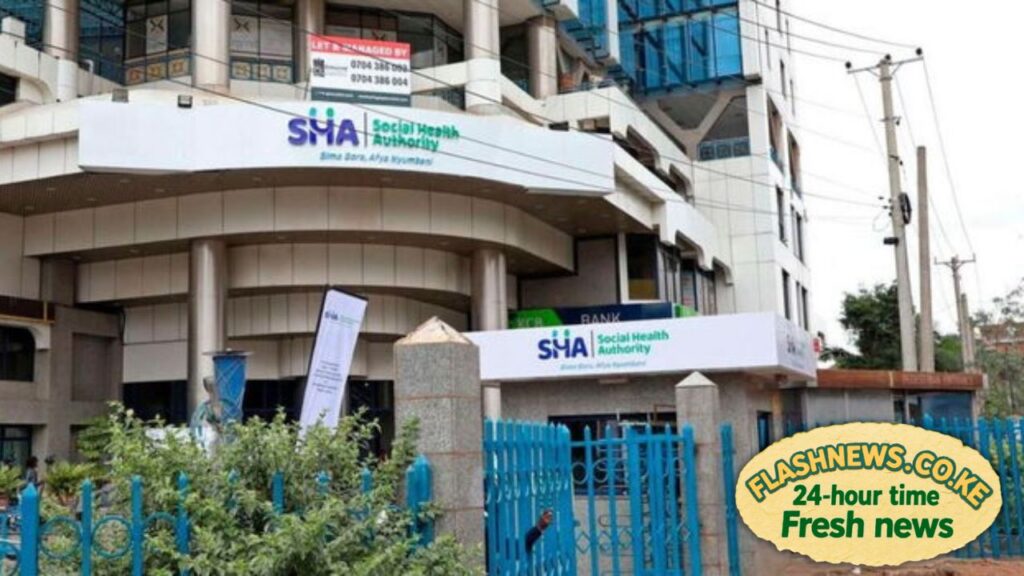
The Kenyan government has stepped up efforts to secure fresh financial support from the Global Fund as it seeks to strengthen the Social Health Authority (SHA), accelerate digital healthcare reforms and reinforce the country’s fight against HIV, tuberculosis (TB) and malaria.
The proposal forms part of Kenya’s preparations for the Global Fund Grant Cycle 8, which will determine the next phase of international financing for the country’s health sector.
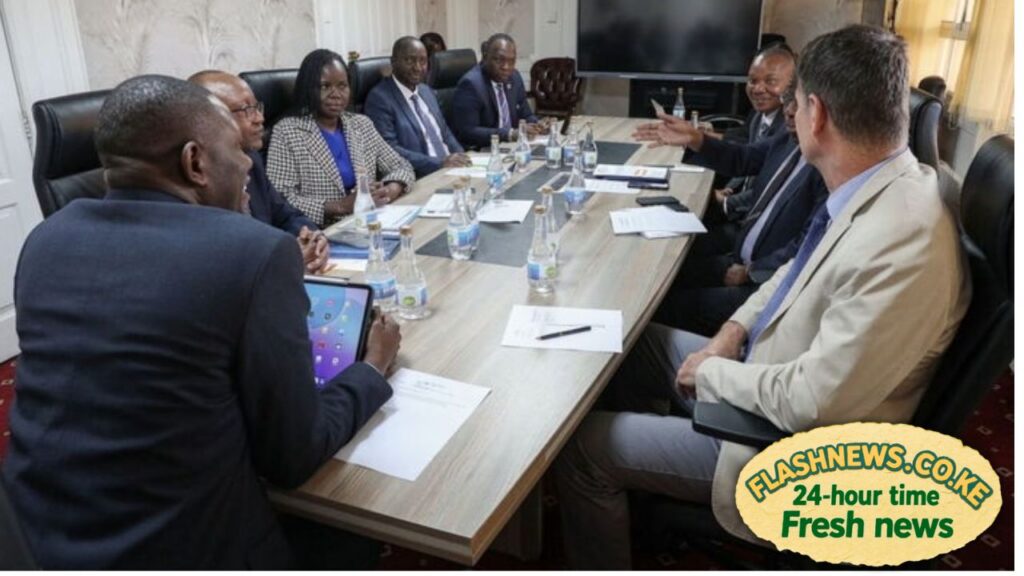
The plans were discussed during a high-level meeting between Medical Services Principal Secretary Dr. Ouma Oluga and a Global Fund delegation led by Senior Portfolio Manager Paul MacCarrick, where officials reviewed progress made under Grant Cycle 7 and outlined priorities for the upcoming funding cycle.
According to the Ministry of Health, Kenya’s proposal will seek investments that go beyond disease control by strengthening the country’s entire healthcare system.
Among the government’s key priorities are expanding the Social Health Authority, accelerating digital health systems, improving the availability of essential medicines and medical commodities, building resilient health infrastructure, promoting local pharmaceutical manufacturing and leveraging artificial intelligence (AI) to improve healthcare delivery.
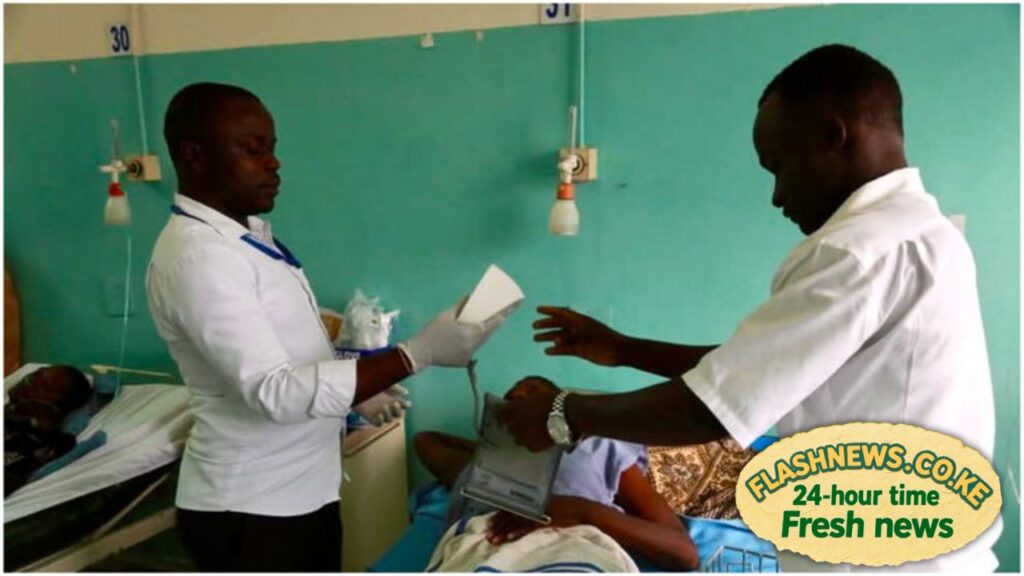
Speaking after the meeting, Dr. Oluga said the government wants every investment from the Global Fund to deliver measurable results while supporting the implementation of Universal Health Coverage (UHC) through the Taifa Care programme.
“The next grant cycle presents an opportunity to strengthen national health systems while ensuring sustainable investments that improve healthcare services for all Kenyans,” Dr. Oluga said.
The funding request comes at a critical time as the government continues implementing sweeping healthcare reforms under the Social Health Authority, which officially replaced the National Health Insurance Fund (NHIF) as Kenya’s public health insurer.
The transition to SHA has been one of the country’s most significant healthcare reforms in decades, with the government arguing that the new system will deliver equitable and universal healthcare coverage to millions of Kenyans.
However, the rollout has also attracted criticism from patients, hospitals and healthcare stakeholders over delayed reimbursements, access to treatment, registration challenges and concerns regarding the range of services covered under the new benefits package.
At the same time, the Ministry of Health has intensified efforts to digitise healthcare services nationwide by integrating hospitals and health facilities into interconnected digital platforms.
The reforms are expected to streamline patient records, improve claims processing, strengthen healthcare financing, enhance accountability and reduce inefficiencies across the sector.
Officials believe improved digital infrastructure will also enhance the management of HIV, tuberculosis and malaria programmes by enabling faster reporting, better patient monitoring and more efficient allocation of medical resources.
The Global Fund remains one of Kenya’s most important development partners in the health sector, financing programmes aimed at combating HIV, TB and malaria while also supporting health systems strengthening.
Over the years, the organisation has funded life-saving medicines, diagnostic equipment, prevention initiatives, healthcare worker support and critical medical infrastructure across the country.
Kenya’s Grant Cycle 8 proposal is expected to define the future of the country’s partnership with the Global Fund, with the government seeking long-term investments that sustain disease control programmes while accelerating broader healthcare reforms under Taifa Care and the Social Health Authority.
If approved, the funding could provide a major boost to Kenya’s healthcare modernisation agenda, strengthening digital health systems, improving access to quality medical services and enhancing healthcare resilience for millions of citizens.
Also Read: Court Orders Ex-Nairobi Water Employee to Refund KSh4.7 Million Earned Using Fake Degree