






Kenya University Scholarships Delay Puts Future of 208,000 Students at Risk, MPs Warn
Nairobi, Kenya — A looming budget shortfall has sparked urgent concern among lawmakers, with the National Assembly’s Education Committee warning that over 208,000 incoming first-year university students risk missing out on government-sponsored scholarships in the 2025/26 academic year. The crisis, attributed to a funding deficit of Ksh17 billion, threatens to derail access to higher education for thousands of Kenyan youth expected to report to public universities in September.
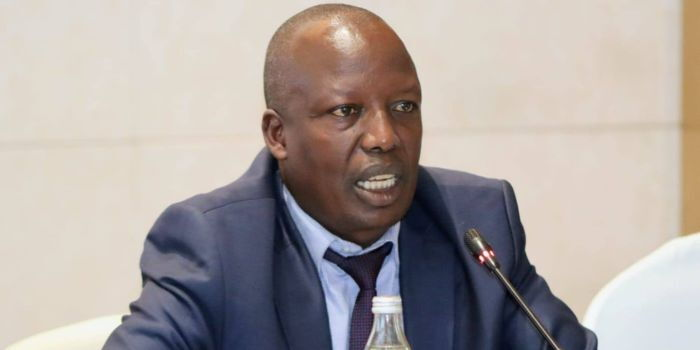
The Education Committee, chaired by Tinderet MP Julius Melly, raised the alarm during a session with the Budget and Appropriations Committee, emphasizing the severe impact that the current national budget estimates could have on Kenya’s education sector. The scholarships, traditionally awarded to students placed in public universities and Technical and Vocational Education and Training (TVET) institutions through the Kenya Universities and Colleges Central Placement Service (KUCCPS), are vital for financially disadvantaged students.
“Without the necessary Ksh17 billion allocation, the government will not be able to support over 200,000 students joining universities this year,” said MP Melly. “We must act now to avoid a national crisis that could widen inequality and deny bright students a future.”
These government-sponsored scholarships, unlike loans from the Higher Education Loans Board (HELB), are grants that do not require repayment and are awarded based on both financial need and academic merit. Their absence would hit low-income families the hardest, potentially excluding many deserving students from higher education.
The warning from the Education Committee comes at a critical juncture in Kenya’s education policy reform journey. Over the past decade, the government has sought to expand access to tertiary education through public sponsorships, significantly increasing university enrollment and promoting social mobility.
However, the current budgetary allocation, according to the committee, is inadequate to meet the rising demand for university placement. In previous years, delays in disbursement of funds and inconsistencies in planning have hampered university operations, with many institutions reporting financial stress.
The crisis is not confined to the university level. The committee also highlighted worrying developments at the basic education level. In an attempt to fill funding gaps for national examination administration, the committee has proposed cutting capitation funds to schools — a move likely to affect the day-to-day running of learning institutions.
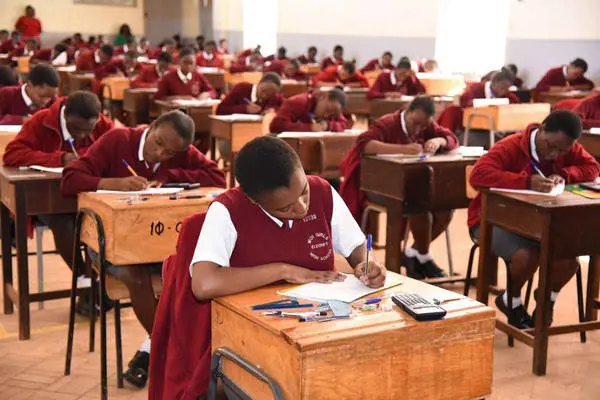
Under the proposal, Ksh3 billion would be slashed from secondary schools, Ksh2 billion from junior schools, and Ksh900 million from primary schools. These funds would be redirected to support the administration and invigilation of national examinations, an expenditure item notably excluded in the initial 2025/26 budget estimates.
“Examinations are a critical component of our education system. Without proper funding, the credibility and effectiveness of the assessment process are at risk,” said Melly, noting that missteps in funding exams could jeopardize academic integrity across all levels of education.
To address broader structural issues in the education sector, the committee has also tabled a number of additional funding requests. A major priority is the transition of 20,000 intern teachers to permanent and pensionable terms, a move estimated to cost Ksh7.3 billion.
Committee members argue that stabilizing the teaching workforce is essential for improving learning outcomes. “The long-term sustainability of our education system depends on securing qualified personnel. Making intern teachers permanent not only boosts morale but ensures continuity in instruction,” Melly said.
In technical education, a sector critical to achieving Kenya’s Vision 2030 development goals, the committee proposed a Ksh1.9 billion allocation to recruit 2,000 additional TVET instructors. This is part of an effort to address the current instructor shortfall of approximately 6,000 educators.
“This will bridge the current TVET instructor gap, which stands at 6,000,” added Melly. “We must invest in skills development if we are to create a competitive workforce that meets the demands of the 21st century.”
The failure to resolve these funding challenges could have lasting implications. Kenya’s youth population, one of the fastest-growing in the world, depends heavily on public education funding to realize its full potential. A breakdown in scholarship allocations, exam funding, and teacher recruitment could undermine not only individual futures but also national development.
Education stakeholders, including university administrators, civil society, and parents’ associations, are now watching closely as Parliament continues to deliberate on the final budget allocations.
Some have already voiced support for the committee’s recommendations. The Kenya University Staff Union (KUSU), in a statement released last week, urged the government to heed the committee’s warnings, stating that underfunding universities is “a direct threat to the country’s economic growth and knowledge-based development.”
Similarly, the Kenya National Parents Association called for “urgent, responsible action” to safeguard students’ futures.
“This isn’t just a budget line item,” said Nicholas Maiyo, the association’s chairperson. “It’s a matter of national importance that will define the next generation’s ability to compete and contribute.”
With the September intake drawing nearer, pressure is mounting on the Treasury and the Budget and Appropriations Committee to review and revise the proposed allocations. If adjustments are not made, public universities could see a significant drop in admissions, particularly from students who rely entirely on government support.
The Education Committee has vowed to continue lobbying for additional funding and plans to engage with other stakeholders in the education sector, including the Ministry of Education and the Treasury, to forge a way forward.
Parliament is expected to debate and finalize the national budget by the end of June 2025. Stakeholders now await whether their calls for intervention will be reflected in the final budget estimates.
For now, the fate of over 208,000 university hopefuls — and the broader integrity of Kenya’s education system — hangs in the balance.
As Kenya approaches the 2025/26 academic year, the country stands at a critical crossroads in its education funding strategy. With time running out, Parliament’s next moves will determine whether access to higher education remains a promise kept — or becomes another missed opportunity. Stakeholders across the education spectrum have sounded the alarm. Whether those in power will listen remains to be seen.
Also Read: Meru Governor Urges Legalization of Milking and Slaughtering Elephants, Giraffes
Kenya University Scholarships Delay Puts Future of 208,000 Students at Risk, MPs Warn