

MPs Demand Faster Wilson Airport Upgrade as Safety Fears Mount After Series of Aviation Incidents





Members of Parliament have intensified pressure on the Kenya Airports Authority (KAA) to fast-track the ongoing rehabilitation and expansion of Wilson Airport, warning that delays in the multi-billion-shilling project could undermine safety standards and disrupt critical aviation operations.
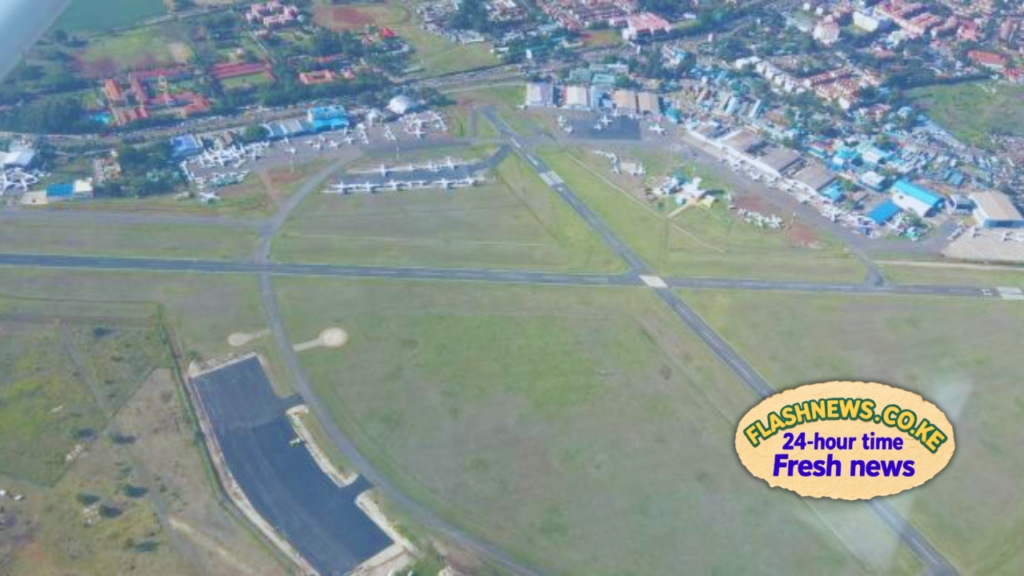
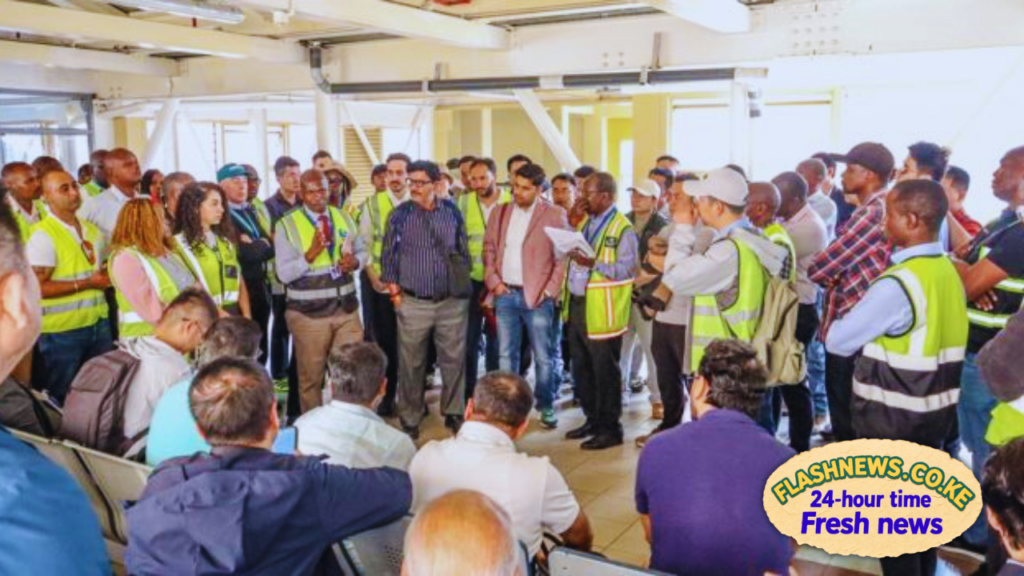
The concerns were raised on Tuesday, June 16, when the National Assembly’s Departmental Committee on Transport and Infrastructure conducted an inspection tour of the airport and held consultations with officials from the Ministry of Roads and Transport, KAA, and the Kenya Association of Air Operators.
Led by committee chairperson George Kariuki, lawmakers expressed dissatisfaction with the pace of the KSh1.4 billion rehabilitation programme, noting that prolonged delays were affecting airport efficiency and increasing operational costs for aviation stakeholders.
Kariuki said Wilson Airport should be developed into a strategic aviation hub capable of supporting operations at Nairobi’s main gateway, the Jomo Kenyatta International Airport (JKIA), particularly during emergencies or periods of congestion.
“We want Wilson Airport to be a role model and offer auxiliary services to JKIA whenever there is a challenge. Some aircraft from JKIA should be able to land here. Let us work to make Wilson better. This is a business, and we should not give room to losses,” Kariuki stated.
The MPs’ intervention comes amid growing public concern over aviation safety at Wilson Airport following several incidents and emergency landings reported in recent months.
On May 22, airport operations were temporarily disrupted after an aircraft crash-landed under circumstances that remain under investigation. Witnesses reported that the plane narrowly missed the airport perimeter fence along Langata Road, prompting authorities to suspend operations briefly as emergency teams responded to the scene.
The incident came barely two months after another aircraft carrying 39 passengers crashed shortly after take-off. Among those on board was Godfrey Osotsi, alongside five crew members. All occupants survived the accident.
In the aftermath of that crash, the Kenya Civil Aviation Authority (KCAA) acknowledged operational and procedural shortcomings at the airport, raising questions about infrastructure readiness and oversight mechanisms.
Responding to concerns from legislators, officials from the Ministry of Roads and Transport admitted that the rehabilitation programme had experienced delays. They revealed that reconstruction works on Runways 14/32 and 07 had reached 38 per cent completion against an anticipated progress target of 40 per cent.
KAA attributed the setbacks to a delayed commencement of the project and unforeseen engineering challenges, including extensive waterlogged sections beneath portions of the runway that required additional stabilisation works before construction could continue.
Lawmakers argued that the slower-than-expected pace of the project was having wider economic consequences, particularly for airlines, charter operators, flight schools and private aircraft owners who depend on Wilson Airport for daily operations.
Committee members warned that prolonged construction timelines risked increasing operational costs and reducing business activity at one of East Africa’s busiest airports for domestic and regional flights.
The committee also received a comprehensive report detailing aviation incidents recorded at Wilson Airport over the past two years, including the causes of each occurrence, findings from investigations and measures introduced to prevent future accidents.
The MPs said they would continue monitoring the rehabilitation programme closely to ensure the airport’s infrastructure is upgraded within the planned timelines and that safety standards are strengthened to restore public confidence in Kenya’s aviation sector.
Also Read: Omtatah Demands Urgent Repairs on Kisumu-Busia Highway After Series of Fatal Crashes