






Parliament Passes Ksh4.2 Trillion Budget as Education, Health and Housing Secure Biggest Share of Funding
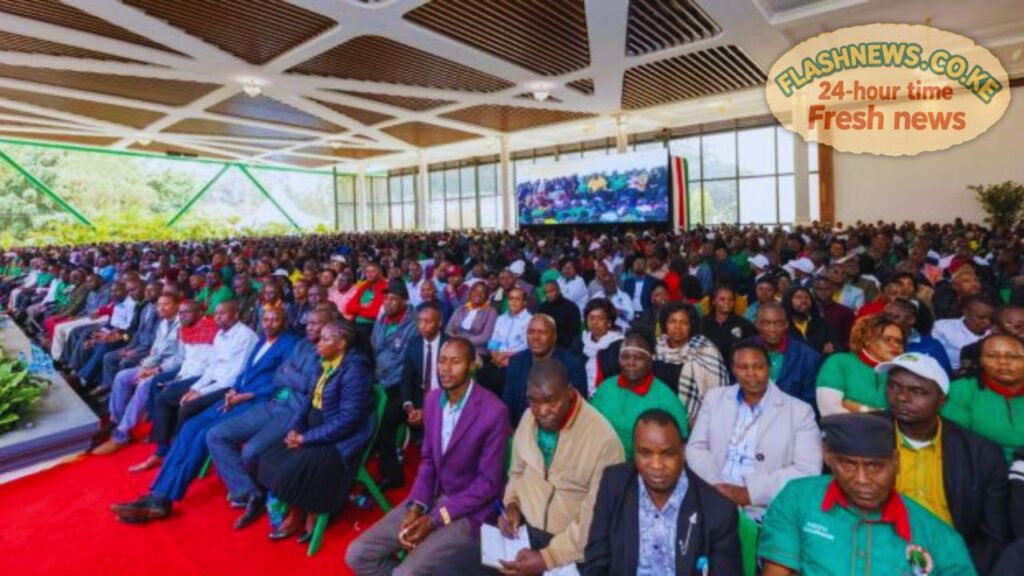
Parliament has approved the 2026/27 national budget, paving the way for billions of shillings in government spending amid growing concerns over Kenya’s rising debt burden and demands for improved public services.
The National Assembly on Thursday approved the Estimates of Revenue and Expenditure together with the Medium-Term Budget Framework for the 2026/27 financial year, clearing the way for the Appropriation Bill that will formally authorise government spending.
Education emerged as the biggest winner in the budget after lawmakers allocated a record Ksh781.4 billion to the sector, covering basic education, technical training institutions and universities.
A key highlight of the allocation is Ksh4.9 billion set aside to absorb 20,000 intern teachers into permanent and pensionable employment through the Teachers Service Commission (TSC).
The move is expected to ease teacher shortages in public schools and fulfil long-standing calls by educators and unions for the government to offer job security to thousands of teachers who have been serving under internship arrangements.
Lawmakers said the recruitment will strengthen learning outcomes and improve staffing levels in schools across the country.
Higher education also received a significant boost, with Parliament approving Ksh56.7 billion for the Higher Education Loans Board (HELB) to support university and college students struggling with tuition and upkeep costs.
The health sector emerged as the second-largest beneficiary after receiving Ksh175.5 billion as the government seeks to accelerate implementation of its Universal Health Coverage (UHC) agenda.
To strengthen healthcare delivery, Parliament approved Ksh19.1 billion for the Primary Healthcare Fund and a further Ksh4 billion for the Emergency, Chronic and Critical Illness Fund aimed at supporting patients requiring specialised treatment.
The Global Fund Programme was allocated Ksh18.5 billion to sustain interventions against HIV/AIDS, malaria and tuberculosis, diseases that continue to pose major public health challenges.
Affordable housing, one of President William Ruto’s flagship development programmes, also secured substantial funding after lawmakers approved Ksh138.2 billion for the sector.
Of that amount, Ksh50 billion has been earmarked specifically for the Affordable Housing Programme, which the government says will create jobs, increase home ownership and spur economic growth through construction-related activities.
Members of Parliament noted that the funding would also support urban infrastructure development and the upgrading of informal settlements.
The energy sector also received a boost, with Ksh16.3 billion allocated for rural electrification projects and Ksh7.5 billion earmarked for national grid expansion to increase access to electricity in underserved parts of the country.
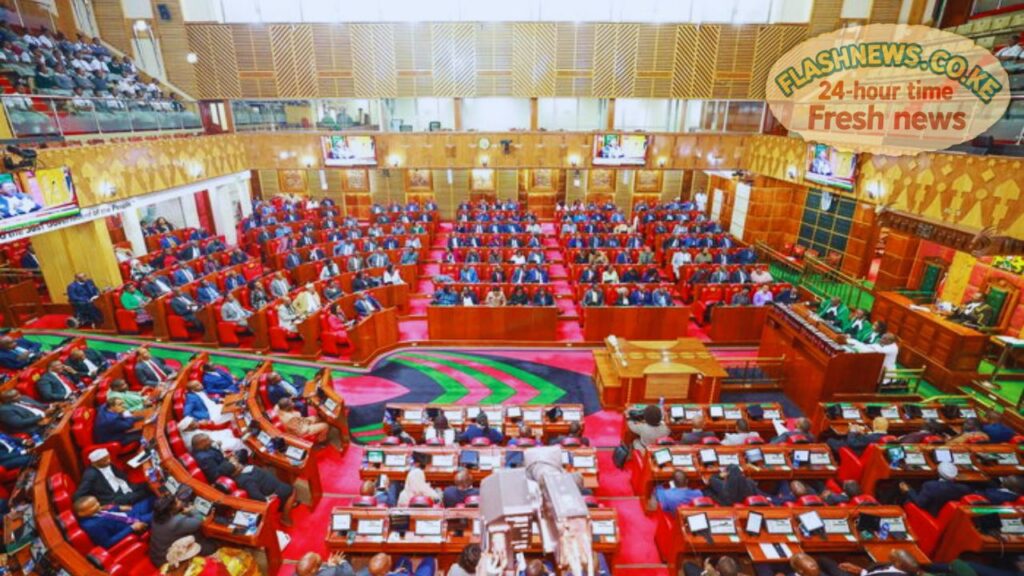
Despite approving the spending plan, lawmakers expressed concern over Kenya’s growing debt obligations, warning that debt servicing costs continue to consume a significant share of government revenue.
According to budget estimates, public debt servicing is projected to reach Ksh1.1 trillion during the financial year, raising fresh questions about the country’s fiscal sustainability and the shrinking space for development expenditure.
Parliament also endorsed the mandatory rollout of the Electronic Government Procurement (eGP) system, a reform expected to enhance transparency, improve accountability and curb wastage in public spending.
The approval of the budget now sets the stage for the Appropriation Bill, which will legally authorise the National Treasury to release funds to ministries, departments and agencies beginning July 1, 2026.
Also Read: Ebola Threat: What Health CS Aden Duale Told Parliament