

U.S. Issues Urgent Dengue Warning for Travellers to Parts of Kenya After Spike in Cases





The United States Embassy in Nairobi has issued a health alert to American citizens travelling to Kenya after the country was identified among nations recording an unusually high number of dengue fever cases.
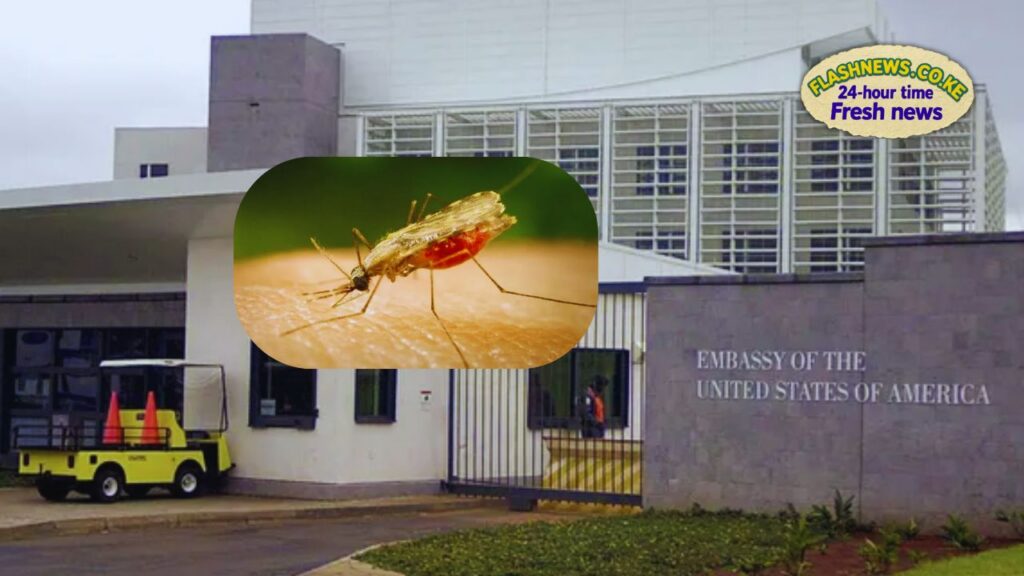
The advisory, based on an updated Travel Health Notice from the U.S. Centers for Disease Control and Prevention (CDC), warns travellers of an increased risk of contracting the mosquito-borne disease in Kenya’s coastal region, as well as Garissa and Wajir counties.
According to the embassy, Kenya has been placed under a Level 1 Dengue Travel Health Notice, meaning travellers are advised to exercise normal precautions while remaining alert to the heightened disease activity.
“The Centers for Disease Control and Prevention has listed Kenya as a country reporting a higher number of cases of dengue fever in its updated Travel Health Notice,” the U.S. Embassy said in the advisory.
The warning comes as health authorities monitor a rise in dengue infections across several parts of the world. Kenya was the only African nation included in the latest CDC notice, joining countries such as Bolivia, Cambodia, Colombia, Malaysia, the Maldives, Sri Lanka and Vietnam, which have also reported elevated dengue activity.
Dengue fever is a viral infection transmitted by infected mosquitoes and is common in tropical and subtropical regions. Symptoms often include a sudden high fever, severe headaches, pain behind the eyes, muscle and joint pain, nausea, vomiting and skin rashes.
While the majority of patients recover without complications, the CDC cautioned that severe dengue can develop quickly and become life-threatening if not treated promptly.

Health experts warn that serious infections may result in internal bleeding, a dangerous drop in blood pressure, organ failure and, in rare cases, death.
In light of the advisory, the U.S. Embassy has urged American citizens living in or travelling to the affected regions of Kenya to remain vigilant and take preventive measures against mosquito bites.
Recommended precautions include using Environmental Protection Agency (EPA)-approved insect repellents, wearing long-sleeved shirts and full-length trousers when outdoors, and staying in accommodation fitted with air conditioning or window screens to minimise exposure to mosquitoes.
The CDC also reminded travellers that dengue remains a year-round health risk in many tropical countries, with outbreaks typically occurring every two to five years depending on weather conditions, mosquito populations and public health responses.
The latest advisory underscores growing global concern over the spread of mosquito-borne diseases, as international health agencies continue to monitor outbreaks affecting millions of people across Asia, Latin America and parts of Africa.
Also Read: HELB Opens 2026/27 Jielimishe Loan Applications for Salaried Learners