






UK Denies Military Involvement in Nanyuki Ebola Facility Protests Amid Growing Controversy
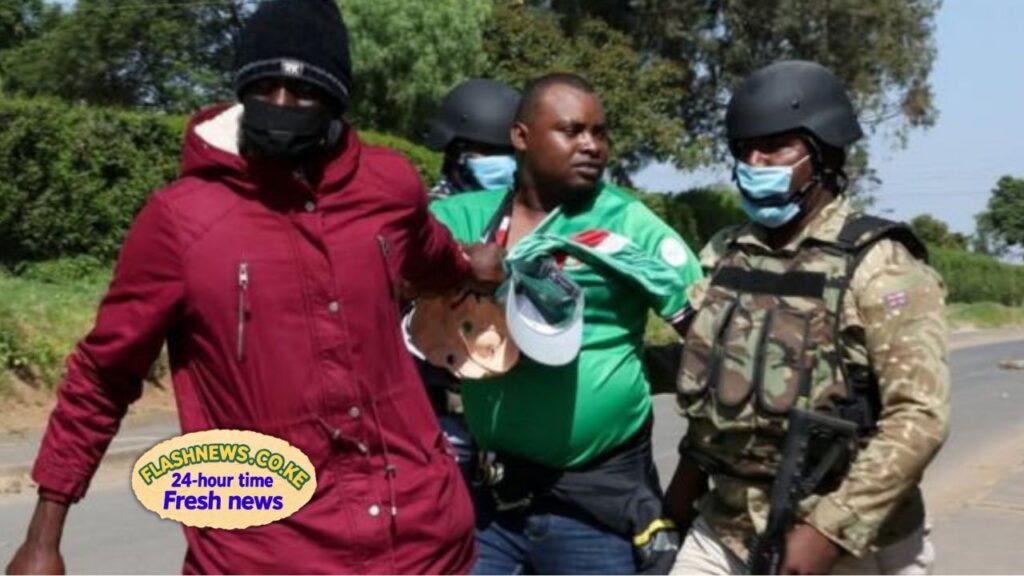
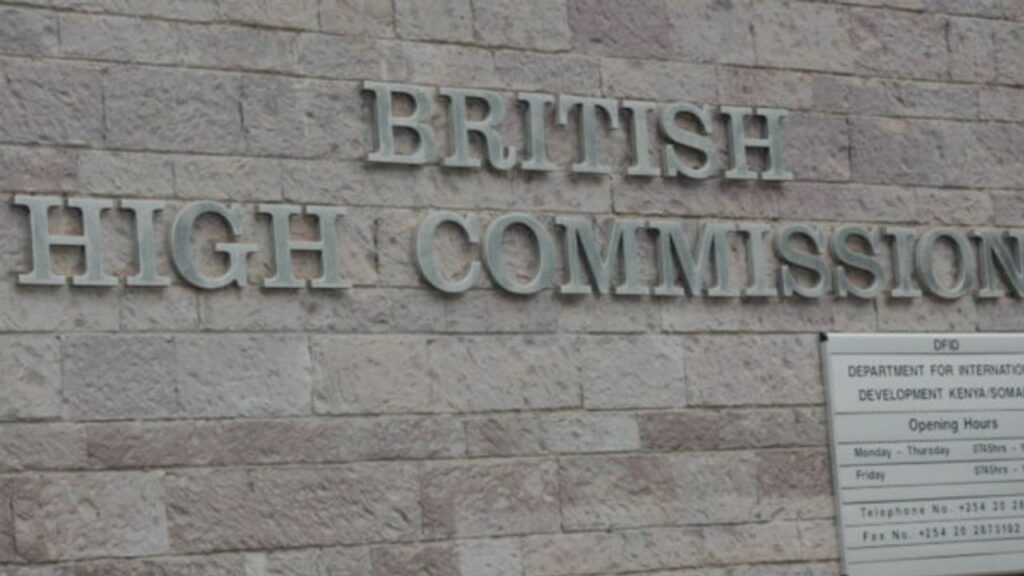
The British High Commission in Kenya has firmly denied allegations that personnel attached to the British Army Training Unit Kenya (BATUK) participated in the policing of protests that rocked Nanyuki earlier this week, amid mounting tensions over a controversial Ebola quarantine facility.
In a statement issued on Thursday, June 11, the High Commission sought to dispel widespread claims circulating on social media that British soldiers had been involved in efforts to control demonstrators during protests held on June 9.
The Commission categorically stated that no BATUK personnel were deployed during the unrest.
“No BATUK personnel were involved in the policing of protests in Nanyuki on 9 June 2026,” the statement said.
The clarification comes after photographs and videos widely shared online appeared to show individuals dressed in what resembled British military uniforms among security personnel confronting protesters.
Addressing the claims, the High Commission revealed that the uniforms observed during the demonstrations had been unlawfully obtained and were not being worn by British soldiers.
“British military uniform was misappropriated and we have raised concerns with the Kenyan authorities,” the statement added.
The controversy erupted as residents and activists took to the streets to oppose the establishment of an Ebola quarantine and treatment facility at Laikipia Air Base. The facility is intended to host United States nationals who may have been exposed to the Ebola virus as part of broader regional preparedness efforts.
Demonstrators voiced concerns over public health risks, transparency in decision-making, and Kenya’s role in hosting the facility. Protesters questioned why the country had been selected and demanded greater public participation before any such project proceeds.
The demonstrations later descended into chaos as protesters clashed with police officers. Witnesses reported gunfire during the confrontations, with local reports indicating that at least one person was killed, further inflaming tensions in the town.
The dispute has also intensified in the courts. Civil society organisation Katiba Institute recently returned to the High Court seeking sanctions against government officials over what it describes as a failure to comply with conservatory orders that had temporarily halted the construction of the U.S.-supported Ebola quarantine and treatment centre.
Despite the ongoing legal challenge and growing public opposition, the Kenyan government has continued to defend its Ebola preparedness strategy.
Meanwhile, the United States has pledged additional funding amounting to KSh2.59 billion (US$20 million) to strengthen Ebola preparedness programmes in Kenya and three other East African countries. The latest commitment brings Washington’s direct contribution to the regional Ebola response effort to more than KSh28.4 billion (US$220 million).
As investigations continue into the violence witnessed in Nanyuki, questions remain over the handling of the protests, the origin of the military uniforms seen during the demonstrations, and the future of the highly contested quarantine facility.
Also Read: Government Begins Review of Protest Laws to Strengthen Article 37 Rights