

Pregnant Police Recruits Saga Sparks National Uproar as NGEC Demands Major Overhaul of Police Training Rules





The controversy surrounding the dismissal of more than 18 pregnant police recruits from the Kiganjo Police Training College has escalated, with the National Gender and Equality Commission (NGEC) now demanding sweeping reforms to Kenya’s police recruitment and training policies.
In a strongly worded statement issued on Sunday, May 10, the commission warned that the incident had exposed “critical policy and legal gaps” within the National Police Service recruitment framework, particularly on how pregnancy and other physiological conditions are handled during police training.
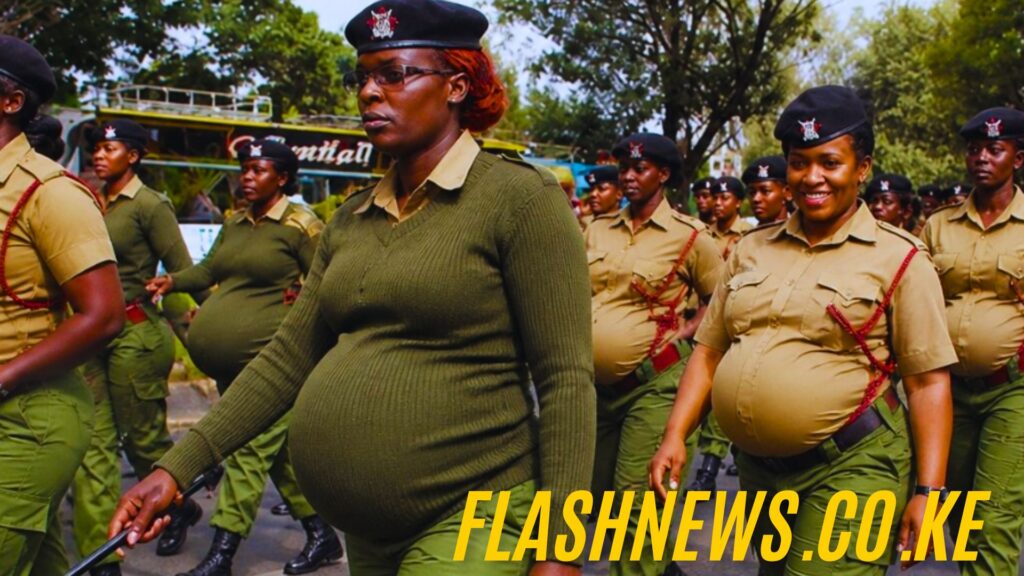
The commission said the current system lacks clarity, consistency and safeguards, raising concerns about possible discrimination and violations of constitutional rights.
“The current controversy surrounding the dismissal of pregnant recruits exposes a critical policy gap within Kenya’s police recruitment and training framework,” NGEC stated.
The commission argued that the issue was no longer just about the affected recruits, but about whether the State had established a lawful, humane and constitutionally compliant framework for handling such cases.
Citing Article 27 of the Constitution, which guarantees equality and freedom from discrimination, NGEC warned that unclear recruitment criteria and inconsistent enforcement of rules could result in arbitrary decisions, unfair treatment and denial of basic rights.
The agency now wants an urgent and comprehensive review of police recruitment and training regulations to align them with constitutional principles of equality, dignity, fairness and non-discrimination.
Among the reforms proposed by the commission are the introduction of a clear policy framework on pregnancy during recruitment and training, including mandatory disclosure requirements, medical assessment procedures, deferment and re-admission guidelines, as well as protections for maternal health.
“As a matter of necessity, the review should robustly consider multi-sector consultation and by extension public participation involving oversight agencies, gender experts, security sector actors, medical professionals, and human rights stakeholders,” NGEC added.
The commission also raised concerns over recurring integrity issues in police recruitment, including forged documents, criminal records and failures in post-recruitment vetting.
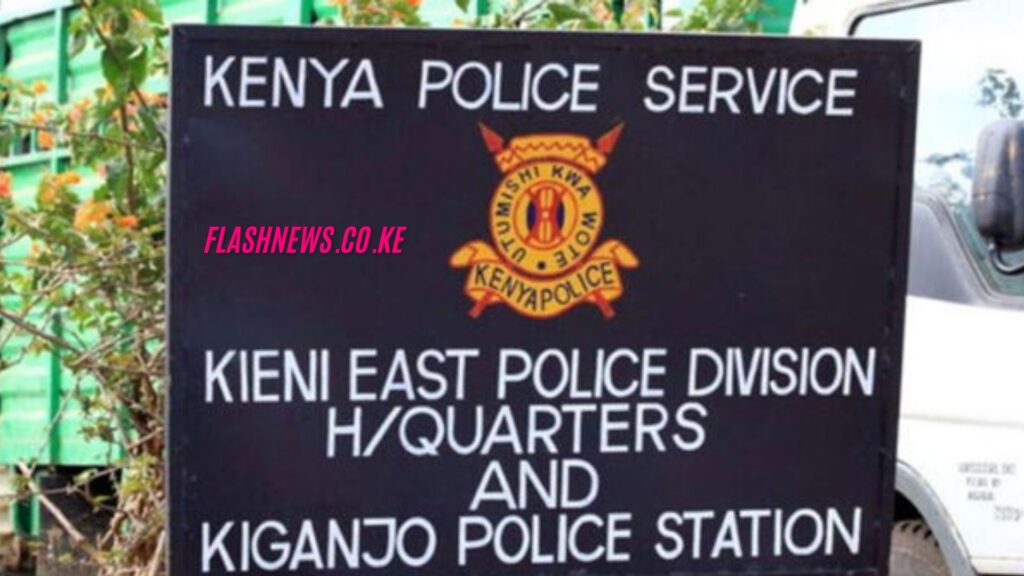
The statement comes amid growing public backlash after reports emerged that 18 female recruits had been discontinued from training after medical tests established they were pregnant.
The move triggered outrage from sections of the public, women’s rights groups and human rights defenders, who questioned whether the dismissals amounted to discrimination against women.
However, the National Police Service (NPS) defended the exercise, insisting the affected recruits were not singled out solely because of pregnancy.
In a statement issued on Saturday, May 9, the police said the discontinuation process also affected other recruits found to have violated recruitment requirements.
According to NPS, 18 recruits were removed after allegedly presenting forged academic certificates, 10 were found to have previous criminal convictions, two reportedly used fake national identification cards, while two others were discontinued due to terminal health conditions.
The unfolding dispute has now intensified debate over whether Kenya’s disciplined forces are adequately balancing operational demands with constitutional protections and gender equality standards.
Also Read: Kinangop MP Zac Kwenya Loses Father